Lebanon's hospitals want 25% more from insurers. Who speaks for the policyholder at the table?
Last year hospitals asked for 15% and got 6%, and policyholders paid it. This year the demand is 25%. Insurers say no; the regulator calls for a "fair price". The person who will pay the bill is not in the room.
Lebanon's hospitals and laboratories are once again asking insurance companies to raise the rates they pay for hospital care, according to a report by Patricia Jaddad in the daily Nida' al-Watan, republished by Beirut 24 on 8 October 2026 (https://www.beirut24.org/2026/10/08/استشفاء-أغلى-تأمين-أعلى-والمواطن-يدف/).
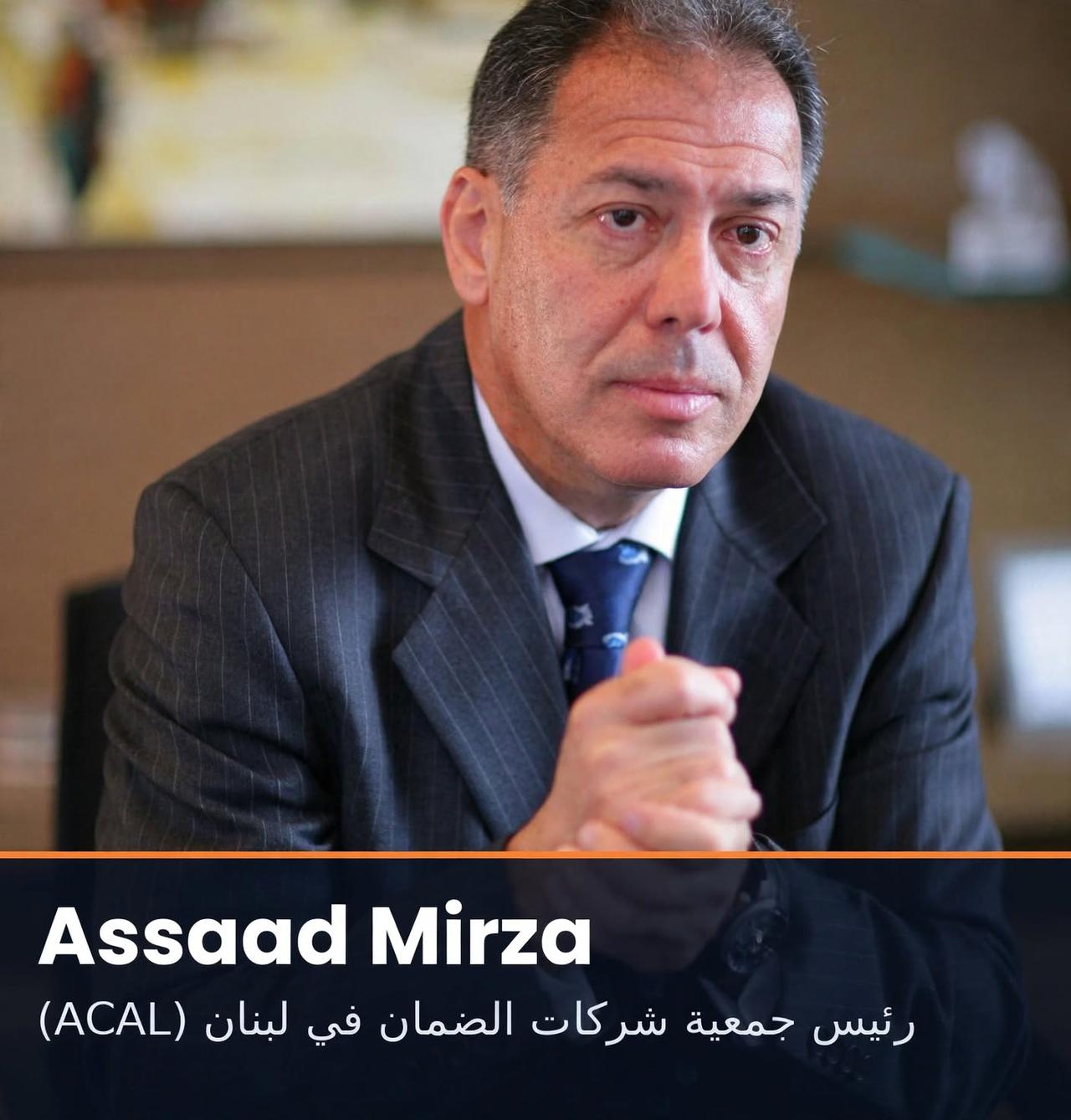
We thank Asaad Mirza, head of the Association of Insurance Companies in Lebanon, and Nadim Haddad, head of the Insurance Control Commission, for speaking openly and with figures about a negotiation that directly affects every policyholder.
What is on the table
According to the report, hospitals are demanding a 25% increase in hospitalisation rates in 2026. They point to the doubling of global fuel prices, the cost of round-the-clock electricity, global and local inflation, and higher prices for imported medical supplies.
The same negotiation took place last year. In 2025, hospitals asked for 15%. After talks, the increase was set at 6%, and that increase was passed on to premiums.
Mirza told the newspaper that a 25% increase cannot be accepted, because it would require raising hospitalisation premiums. He added that laboratories, and even car experts, are also asking for higher fees.
What the regulator says
Haddad said that 2026 saw uneven increases across insurance products, especially in health and hospitalisation cover. There was no single increase for all companies or all policyholders; prices vary by type of cover, age group, coverage limits and hospital network.
He said the main driver of higher costs is the rising cost of claims themselves, which he described as medical inflation: higher hospital tariffs, medicines and medical supplies. Asked about 2027, he said it is too early to talk about a specific increase, but that there is upward pressure, especially in health insurance.
Haddad said the commission's aim is not the cheapest price but a "fair, technically justified and sustainable" one (our translation from Arabic). He added that the commission does not set a single commercial price. Instead, it checks solvency, transparency and sound technical pricing, and works to protect policyholders.
The market in figures
According to the commission's annual report cited in the article, total written premiums in 2024 reached about LBP 103.03 trillion (around $1.15 billion), up 24.67% on 2023. Health insurance accounted for about LBP 50.51 trillion, or 49.03% of the market. Motor premiums were about LBP 20.56 trillion and life premiums about LBP 9.01 trillion. Claims paid rose 17.79% to about LBP 64.995 trillion (around $726 million).
Our view: the bill arrives, but the policyholder has no seat at the table
In Lebanon, the negotiation between hospitals and insurers is discussed in public, with numbers. We know what was asked last year (15%), what was agreed (6%) and where it went (premiums).
But one party is missing from the table: the policyholder. Hospitals argue for their costs, insurers for their balance sheets, and the regulator for a sustainable price. The person who finally pays the increase does not appear to have a direct voice in that negotiation, and often learns the result only when the renewal notice arrives.
The report also contains a detail that should not be missed: car experts are asking for higher fees too. If that demand is accepted, motor insurance could face the same question as health: who absorbs the cost?
OUR QUESTIONS
1. Will the result of the 2026 hospital tariff negotiation, and its effect on premiums, be published once it is agreed?
2. Is there any mechanism that allows policyholders or consumer representatives to be heard before a tariff increase is passed on to premiums?
3. How large is the fee increase requested by car experts, and how would it affect motor premiums?
4. When will the commission's 2025 market data be published?
The Insurance Control Commission, the Association of Insurance Companies in Lebanon and the Syndicate of Hospitals are welcome to respond; their answers will be published in full.
#Lebanon #Insurance #HealthInsurance #MedicalInflation #InsuranceControlCommission #Policyholders #SigortaninSesi
Follow the sector at its source
Newsletter: regulatory changes, data and analysis — each one with its source shown.