
Can an insurance model rebuild trust in Lebanon's banks?
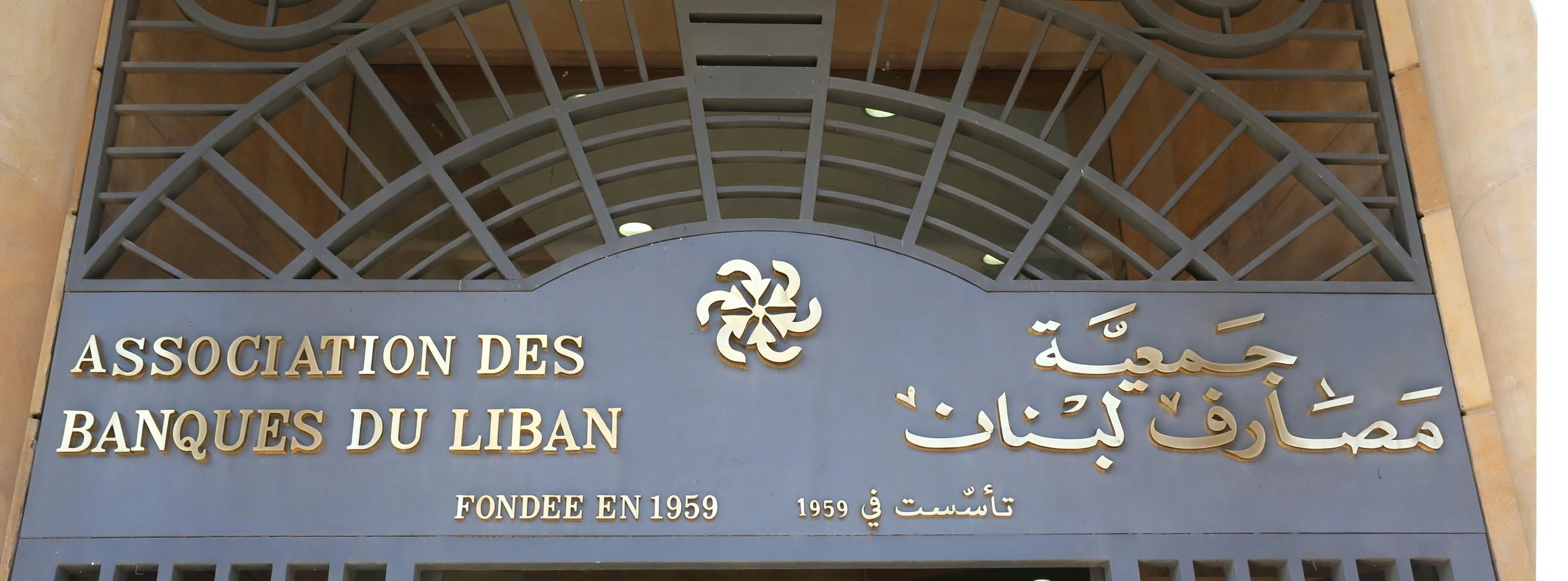
Lebanon's banking crisis, which broke out in 2019, is still unresolved. The country has passed new laws and continues its talks with the International Monetary Fund, but one question remains open: how will depositors trust Lebanese banks again?
An op-ed published in the Lebanese daily An-Nahar earlier this year, written by Jean-Claude Saadeh under the title "The supervision that was absent", offers an answer built on a familiar idea for the insurance world: deposit insurance.
THE PROPOSAL
Read also: Saudi Arabia rebuilds motor insurance claims through AI on Solera and Najm platform
The writer argues that the old banking system "flew below the radar" of supervision and accountability, and that reviving it as it was would only prepare the ground for another disaster.
His proposal is to merge the supervisory bodies operating within the Banque du Liban with the deposit guarantee institution, creating a single body that both supervises and guarantees. This institution would monitor banks continuously, intervene quickly to correct their course when needed and, if necessary, take control of a bank.
According to the proposal, the new institution would guarantee deposits up to limits higher than those applied in Europe and the United States, in order to help restore the confidence of depositors and markets.
AN INSURANCE LOGIC
The most interesting part for the insurance sector is how the institution would be funded. It would be financed by mandatory contributions paid by banks as premiums, not by public money. These premiums would be raised when a bank or a group of banks commits violations, encouraging the whole sector to follow good governance and sound banking practices.
In other words, the proposal applies a basic insurance principle to the banking system: the premium reflects the risk. A bank that takes more risk or breaks the rules pays more for its cover.
THE FDIC EXAMPLE
The writer points to the US Federal Deposit Insurance Corporation (FDIC) as a model. The FDIC was created in 1933, after a wave of bank failures, to restore confidence in the American banking system. It insures deposits up to a set limit and is funded by the banks themselves, not by public money. Over time, it also became responsible for handling bank failures, through asset sales, restructuring or orderly liquidation.
As an example, the writer cites the collapse of Silicon Valley Bank in 2023. Within a few days, the FDIC took control of the bank, ensured a smooth transfer to a new buyer and guaranteed all deposits in full, even above the usual insurance limit of 250,000 dollars per account. According to the writer, this quick intervention prevented a wider panic and a run on other banks.
WHERE LEBANON STANDS
Lebanon's parliament passed a bank resolution law in July 2025, one of the laws the IMF had set as a condition for its support. The law gives a role to the president of the National Institute for the Guarantee of Deposits, but critics argue that the institution is dominated by commercial banks.
This is exactly the point the An-Nahar proposal targets: a guarantee institution can only rebuild trust if it is independent, well funded and able to act quickly.
THE QUESTION FOR THE MARKET
The proposal is an opinion, not a government plan. But it raises a question that goes beyond Lebanon: can trust in a financial system be rebuilt without a credible insurance mechanism behind it?
For Lebanon's insurers, the debate is also close to home. Many of them hold their own funds in Lebanese banks. A stronger and more independent deposit guarantee system would matter not only for individual savers, but for the insurance companies that protect them.
#Lebanon #DepositInsurance #Banking #FDIC #IMF #Insurance #SigortanınSesi
Follow the sector at its source
Newsletter: regulatory changes, data and analysis — each one with its source shown.