Lebanon looks to Egypt's universal health insurance model. Where do private health policies fit in?
Lebanon's health minister has signed a memorandum to learn from Egypt's universal health insurance system. Health already accounts for almost half of Lebanon's private insurance market. What would a public model mean for people who pay for private cover today?
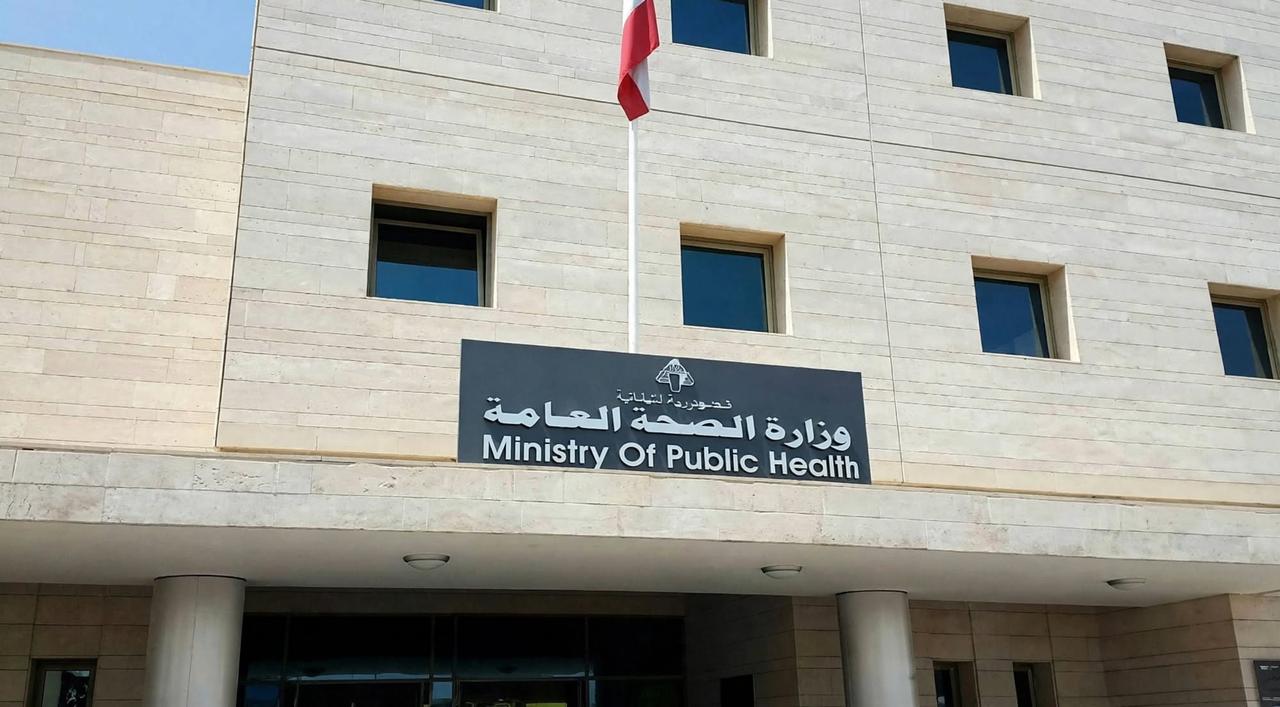
Lebanon's Minister of Public Health, Dr. Rakan Nasreddine, and Dr. Ehab Abou Aish, Deputy Chairman of the Board of Egypt's General Authority for Universal Health Insurance, signed a memorandum of understanding on 15 October 2026. The signing took place during Nasreddine's meeting with Egypt's Minister of Health and Population, Dr. Khaled Abdelghaffar.
According to Egyptian media reports, the memorandum covers the transfer of Egypt's experience in implementing its universal health insurance system, strategic purchasing of health services, health financing, health technology assessment and health economics studies. It also provides for joint conferences, workshops and training programmes, the exchange of professional staff, and a joint coordination committee to follow up on implementation. Nasreddine said Lebanon looks forward to benefiting from Egypt's experience in primary healthcare and universal health insurance. No figures or timetable were announced.
We thank both sides for a step that puts the long-standing question of health financing in Lebanon back on the table.
Read also: Lebanon's hospitals want 25% more from insurers. Who speaks for the policyholder at the table?
HEALTH IS HALF OF THE MARKET
The memorandum is a public health-system agreement, not an insurance-sector decision. But in our view it matters for Lebanon's insurance market, because health is the largest line of business.
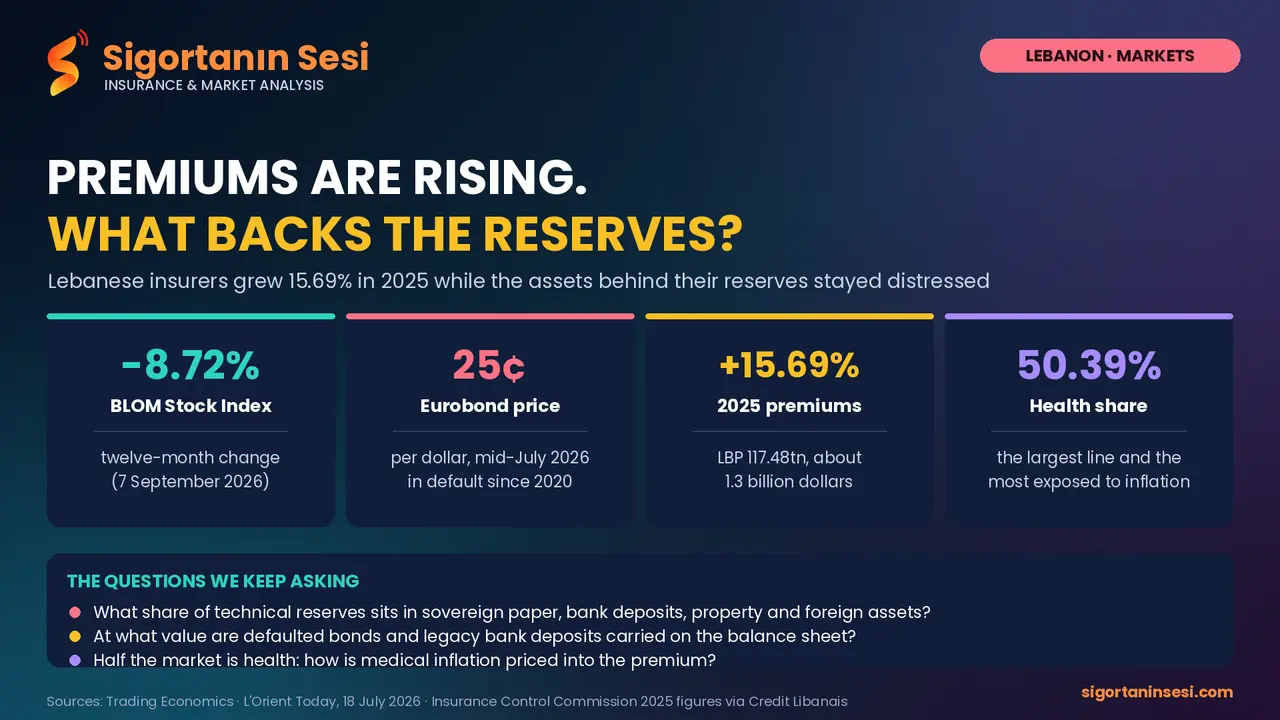
According to figures from the annual report of the Insurance Control Commission (ICC), cited by Nidaa al-Watan on 8 October 2026, Lebanon's insurers wrote around LBP 103.03 trillion (roughly $1.15 billion) in premiums in 2024. Health insurance accounted for about LBP 50.51 trillion, or 49.03% of the market. Claims paid in 2024 reached around LBP 64.995 trillion (roughly $726 million).
In a separate interview with Nidaa al-Watan, ICC chairman Nadim Haddad said rising claim costs, driven by hospital tariffs, drugs, medical implants and imported, dollar-priced inputs, are the main driver of higher health insurance prices. He said it is too early to name a figure for 2027, but that upward pressure remains, especially in health insurance.
THE QUESTIONS A PUBLIC MODEL RAISES
Studying another country's system does not mean Lebanon has decided to adopt it. But if Lebanon moves toward a universal health insurance scheme, several questions will matter directly to policyholders.
Would a public scheme replace, complement or sit on top of private health policies? Would people who already pay for private cover also contribute to a public fund? How would hospital tariffs be set if a single public purchaser negotiates with hospitals? And what role, if any, would private insurers play in administering or topping up the scheme?
In our view, these questions should be discussed openly with the insurance sector and with policyholders from the start, not after a model has been chosen.
OUR QUESTIONS
1. To the Ministry of Public Health: Is Lebanon considering a universal health insurance scheme? If so, is there a timetable or a working group, and will the insurance sector be consulted?
2. To the Ministry of Public Health: Under a possible universal scheme, what would the role of the NSSF and of private health insurance be?
3. To the Insurance Control Commission: Has the ICC assessed how a public universal health insurance model could affect private health insurance, which makes up almost half of the market?
4. To the Association of Insurance Companies in Lebanon (ACAL): Has the sector been involved in discussions on health financing reform, and how does it see its role in a possible universal scheme?
RIGHT OF REPLY
We are ready to publish in full any response from the Ministry of Public Health, the Insurance Control Commission, the Association of Insurance Companies in Lebanon and the NSSF.
#Lebanon #HealthInsurance #UniversalHealthCoverage #Egypt #InsuranceControlCommission #ACAL #SigortanınSesi
Follow the sector at its source
Newsletter: regulatory changes, data and analysis — each one with its source shown.